
The 25 Laws of Visitor Marketing
What Every Tourism Marketer Should Know (and Apply)
Below are distilled insights for tourism marketers in a world of changing discovery. Based on decades of experience by Visitor International Members across continents and backed by powerful visitor behaviour research. These 25 laws are designed to guide tourism-related businesses, attractions, services, and destinations in reaching visitors more effectively.

1: The Law of Appeal
aka: The Irresistible Hook Law
Your marketing can only succeed if your offering truly appeals. If your visitor experience doesn’t excite or inspire, no campaign can make it compelling. Before promoting anything, ensure it’s something people genuinely want to do or experience. Otherwise, the laws below don't apply.

2: The Law of Targeted Reach
aka: The Bullseye Audience Law
The best marketing finds the right people in the right place at the right time. Whether through brochures, visitor guides, digital screens, or targeted placements, your message should speak directly to visitors in the moments they are receptive or deciding what to do next. 'Spray and Pray' Marketing is expensive, wasteful, and most of it doesn't work.

3: The Law of Proximity
aka: The Nearby Magnet Law
The closer your message is to where the visitor is staying or standing, the more powerful it becomes. Place brochures, maps, and guides where people pause and plan—hotels, attractions, lobbies, visitor centers. Visibility in your immediate area matters far more than you think and will win you business. Read more: the distance decay effect and why it matters

4: The Law of New Arrivals
aka: The Early Visitor Engagement Law
Many visitors arrive unsure of what to do next. That’s your window. Reach them early—at airports, hotels, visitor centers. Brochures in the right place at the right time influence visitor decisions, often within hours.

5: The Law of Year-Round Presence
aka: The Always Visible Law
Tourism interest doesn’t run on your schedule. Be visible throughout the season—and beyond. A brochure in a rack or a page in a printed visitor guide remains accessible long after short-term ads disappear. Consistent visibility wins you business.

6: The Law of Concentrated Impact
aka: The Big Fish, Small Pond Law
It’s better to have a big profile presence in a few places that really work than to have a lesser presence in many places. Brochures in prominent displays, or full-page space in a visitor guide, will do more for you than scattered, forgettable mentions.

7: The Law of Mixed Content and Missed Targets
aka: The Needle in a Haystack Law
Your message is only useful if it stands out to the right people. Broad media platforms full of mixed content often bury your message and miss your targets. A brochure in a visitor brochure display or an advertisement in a dedicated visitor guide is far more targeted than a display ad next to unrelated news in a general publication.

8: The Law of Fleeting Advertisements
aka: The Blink-and-Miss-It Law
Many print and digital ads are seen once, fleetingly, then gone forever and forgotten. In contrast, brochures and guides stick around for seasons. They’re kept, re-read, and shared throughout the visitor’s journey. That staying power turns interest into action—and into ongoing revenue.

9: The Law of Long-Distance Folly
aka: The Too Faraway Folly Law
Advertising to people far from your location might feel global and sensible and, while there are exceptions, it rarely drives results. Focus your efforts where visitors already are or will soon be—especially those within easy reach. Brochures and local displays meet them at the moment they’re ready to decide.

10: The Law of Long-Distance Effectiveness
aka: The Promote in Good Company Law
If you wish to promote beyond your local area, context matters. Visitors seldom travel for a single experience—they travel to destinations. At distance, your message works harder when it appears alongside others, within a regional visitor guide, visitor themed itinerary, or destination campaign. Discovery at distance is strongest when you're part of a story, not standing alone.

11: The Law of Digital Depth
aka: The Lost in an Ocean of Content Law
With endless content online, getting found is far from guaranteed - especially if visitors don't know to search for you. Brochures, guides, and displays introduce visitors to your business—so when they do go online, they know exactly what to search for. Discovery fuels the click.

12: The AI Law of Vanishing Discovery
aka: The Invisible Until Known Law
Search is changing. AI now delivers answers, not choices. Ads and listings are vanishing or condensed. If your business isn’t already known, it’s now far less likely to be found. Brochures, maps, and visitor guides restore visibility—introducing you before the algorithm decides what matters. They also guide more accurate searches, helping ensure you are found.
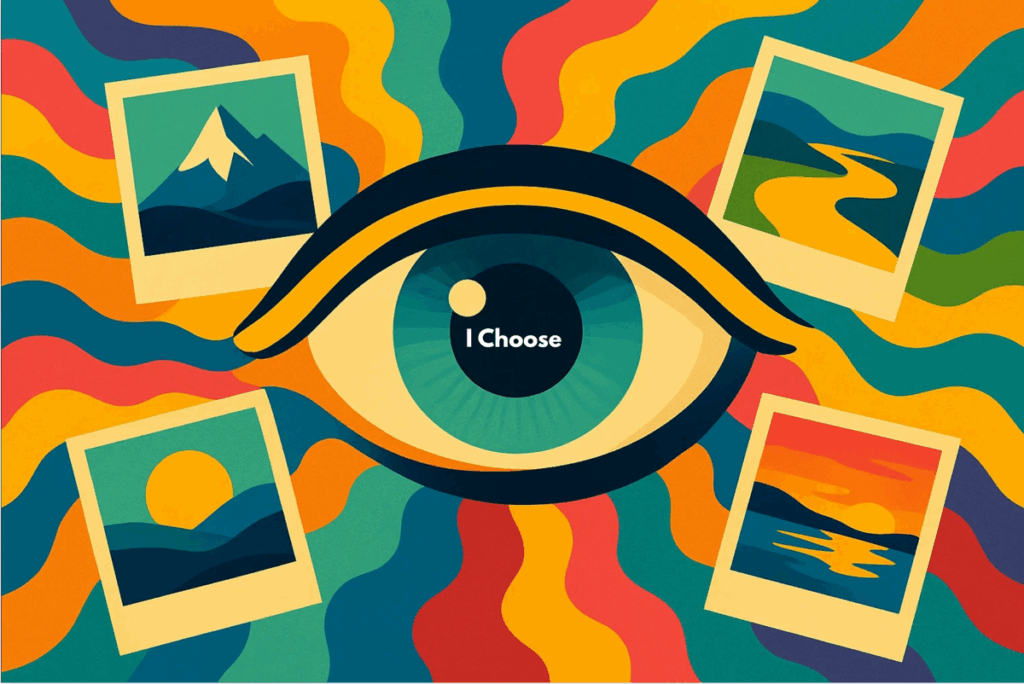
13:The Law of Pixel Power
aka: The Eyes Decide Before the Brain Law
Before they read a word, they see the picture—and they decide. Is it for me? Am I interested? The eyes decide long before the brain even gets a say. There’s no such thing as a neutral image. Every photo either draws the visitor in—or drives them away. Poor photos don’t just fail to help. They actively unsell you. Every image you share should earn its place. Read more - tips to capture great images.

14: The Law of Naivety
aka: Beware the Shiny Object Law
Magazines and new media platforms with glossy designs can be tempting to advertise in, but don’t confuse style with substance. Ask for proof—not just of reach, but of sustained presence and real impact. Choose trusted channels like brochure distribution and established visitor guides that offer targeted reach, long visibility, are often free to visitors, and have proven results.

15: The Law of Dodgy Channels
aka: The Wild West Media Law
Beware the heavily discounted deals and persuasive media pitches promising massive reach, millions of impressions, and viral success. If it sounds too good to be true—and comes without proof—it probably is. Don’t be dazzled. Stick with known and proven channels that offer real reach, accountability, and results.

16: The Law of Powerhouse Marketer Observance
aka: The Data and Marketing Brilliance Law
The world's major retailers don’t use brochures by accident. They are brilliant marketers and use them because their deep data shows they work. Smart tourism businesses take the same approach—combining print and digital based on what drives results.

17: The Law of the Greenwashed Victim
aka: The Duped by Digital Law
Are you scaling back on brochures because someone told you digital was greener? You've been duped, because the very opposite is true. Paper is renewable, biodegradable, widely recycled — and kind to the earth. Digital depends on voracious, energy-hungry power, always-on infrastructure, and toxic waste that poisons the planet for centuries. Step back from brochures, and you’re not going green — you’re giving up being seen. Read more: print versus digital and the environment.

18: The Law of High Conversion Rates
aka: The Make Every Cent Count Law
When a visitor picks up a brochure, they’re already interested. That’s why brochures outperform almost every other format on cost per conversion. They aren’t pushed—they’re chosen out of interest. That makes all the difference business-wise.

19: The Law of Presumptive Arrogance
aka: The 'Ah Sure They’ll Find Us Anyway' Law
No matter how popular or established your business is, don’t assume visitors know you exist or that you are 'top of mind'. A brochure is often the only reason someone chooses you over other nearby and visible attractions and experiences.

20: The Law of Digital Attribution
aka: The Digital Is a Device Law
Giving digital all the credit is like thanking the phone for the booking. A visitor might click to book—but the real influence often came earlier, from a brochure they picked up or a visitor guide they browsed. Print creates moments of discovery. Digital closes the loop and unfairly gets all the credit.

21: The Law of Amplification
aka: The Power Combo Law
Print and digital work best together. A brochure sparks interest. Search connects the curious and interested. A click confirms the decision. Use the power of both to guide the visitor from discovery to decision.

22: The Law of It’s Not All About Paper
aka: The Connectors and Conversions Law
Interest in the experience you offer can start anywhere—often it's a brochure, but it can be a digital screen, an ad, a story, a social post, or a word-of-mouth recommendation. But if the website they land on falls short, the interest dies. Visitor marketing isn’t a single channel—it’s a connected system and strategy. And your website is often the final destination. If it loads slowly, presents you poorly, or fails to excite and persuade, you lose the visitor—and everything they might have booked, bought, or shared. Make sure your website finishes what your marketing starts.

23: The Law of Looping Digital Screens
aka: The Message That Meets the Moment Law
Increasingly, Digital Information Screens are appearing in prime visitor locations—hotel receptions, attraction lobbies, visitor centers, and busy waiting areas where people pause, plan, and decide. Not all are equal. But if the opportunity presents to promote your business on a nearby screen that meets visitors in that moment, it’s worth considering. Those few seconds can decide what the visitor does next. Read more: The effectiveness of digital screens in hotels and other in-destination locations.

24: The Law of Ripple Reach
aka: The Message That Bounces Beyond the Target Law
When aiming for visitors you’ll still catch locals. When locals act, recommend, and share, they provide reach far beyond your primary target. One message can spark a visit, trigger a repeat booking, or prompt a tip to friends. Ripple reach is unexpected, valuable—and worth designing for.

25: The Law of Exceptions to the Law
aka: The Right Way Can Be the Wrong Way Law
Every principle in visitor marketing exists because it works most of the time. But now and then, the winning move is the reverse—ignoring proximity, breaking from concentration, or choosing a seasonal blitz over constant visibility. Defying a law is only powerful if you understand it well enough to know when, why, and how to do it—and what you’re trading off to make it work.
Use these Visitor International laws of marketing to challenge assumptions, guide smarter decisions, and reassert the importance of being seen, chosen, and remembered by visitors throughout their journey.
Read online as a Flipbook, or Download as a PDF
QUICK PDF Download
