Women Are the Greatest Influencers in Travel, and Visitor Brochures Are Their Trusted Guide
How women's preference for visitor brochures can be a game-changer for your business
In travel, one group stands out as the most influential: women.
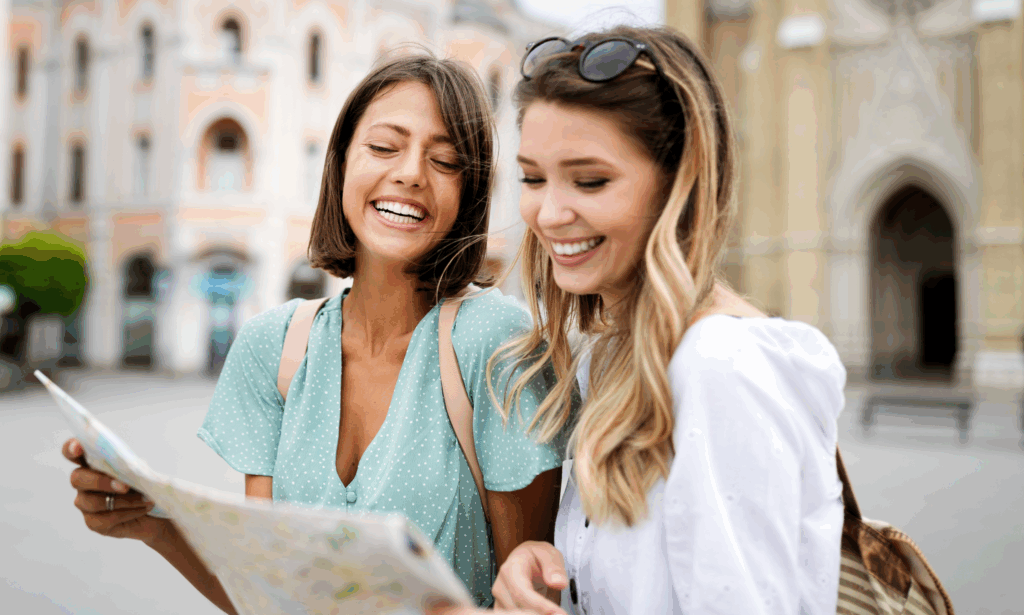
From family vacations to solo adventures, women shape travel trends and decisions. Their influence reaches well beyond the choice of destination to how a trip is experienced and shared with others. Women are key decision-makers throughout the entire travel journey, guiding visits, activities, dining choices and the overall enjoyment of a trip.
The Power of Women in Travel
Women are widely recognized as the primary decision-makers in leisure travel, leading the planning and booking for family vacations, couple getaways, solo trips and trips with friends. Their careful planning ensures every part of a trip is thoughtfully considered and works for everyone involved. They prioritize safety, value for money and memorable experiences, and that drives a need for detailed, reliable information they can trust.
What Women Brochure Users Tell Us
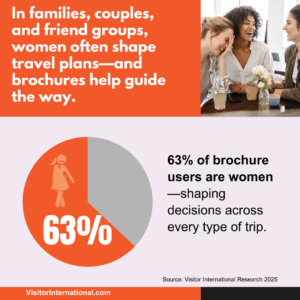
Women are the leading users of visitor brochures, maps and guides, accounting for 63% of brochure pick-ups. Visitor International's consumer research shows how much those brochures shape their trips. The findings below are based on women who use visitor brochures.
Trust. 99% of women brochure users trust printed visitor brochures, making them one of the most trusted sources of travel information. Trust matters in travel planning, and businesses featured in brochures benefit directly from it.
Print in hand. 91% are more likely to pick up a brochure than download it. For businesses, this makes a presence at key touchpoints such as hotels, visitor centers, attractions and transport hubs essential.
Changed plans. 64% have changed their plans based on brochure content. Brochures shape decisions in-destination, and well-presented features and offers can direct visitors toward specific attractions and services.
Memorable. 88% find information in printed brochures more memorable than digital versions. The tactile, easy-to-use format helps information stay with them and guide their choices.
Discovery. 96% have discovered new attractions or services through brochures, giving valuable exposure to well-known and lesser-known businesses alike.
Kept and shared. 89% hold on to brochures of interest, keeping them for the trip or taking them home, and 64% keep them as a memento. Chosen deliberately, these brochures become a reference for the whole trip, turning interest into immediate business and influencing future visits, purchases and word-of-mouth recommendations.
Women value brochures for their tangibility, depth of information and ease of use, and that preference has a measurable influence on where they go and what they do.
Women as Key Planners in Travel

In couples and families, women often lead the planning, manage the budget and shape the experiences everyone remembers. Among women who use visitor brochures, 51% traveled with family, 30% with a partner, 8% solo and 8% with friends.
When planning for a family, women weigh everyone's needs, building in child-friendly activities and enriching educational experiences. For couples, they balance adventure with romance. Solo travelers use brochures to uncover unique attractions, and women traveling with friends organize engaging group outings.
Their influence carries through every day of the trip, from attractions and activities to dining and transport, so that each day is enjoyable and stress-free. Brochures give them trusted, accessible information to make those choices with confidence.
Conclusion
Women are the most influential decision-makers in travel and the leading users of visitor brochures. For tourism businesses, brochures are an essential part of the marketing mix for reaching them. Well-designed, informative brochures guide their decisions, enrich their trips and win you business.
NOTE: The insights in this document are based on a 24-month study conducted by Visitor International — the International Association of Visitor Information Providers — from July 2024 to June 2026. The study gathered responses from over 8,100 travelers across 12 countries, representing visitors from 113 countries. Percentages are based on the 3,711 women who used a visitor brochure, map or guide during their trip, and reflect their experience of brochures across the whole trip rather than any single brochure